When you source high‑protection LED displays, you will frequently encounter two popular upgraded technologies: GOB (Glue On Board) and COB (Chip On Board). Both are improved solutions based on traditional SMD LED screens, delivering better dust‑proof, water‑proof and anti‑collision performance.
However, many global buyers get confused. They simply think one technology is absolutely superior to another. From JERYO LED source factory perspective, neither GOB nor COB can fit all projects. Each technology has its own strengths, limitations, cost range and best‑fit scenarios.
This article breaks down technical principles, advantages, drawbacks and real‑world project suggestions, helping you select between JERYO GOB series and JERYO COB fine‑pitch series reasonably.
Brief Introduction: What Are GOB and COB LED Technology
GOB (Glue On Board)
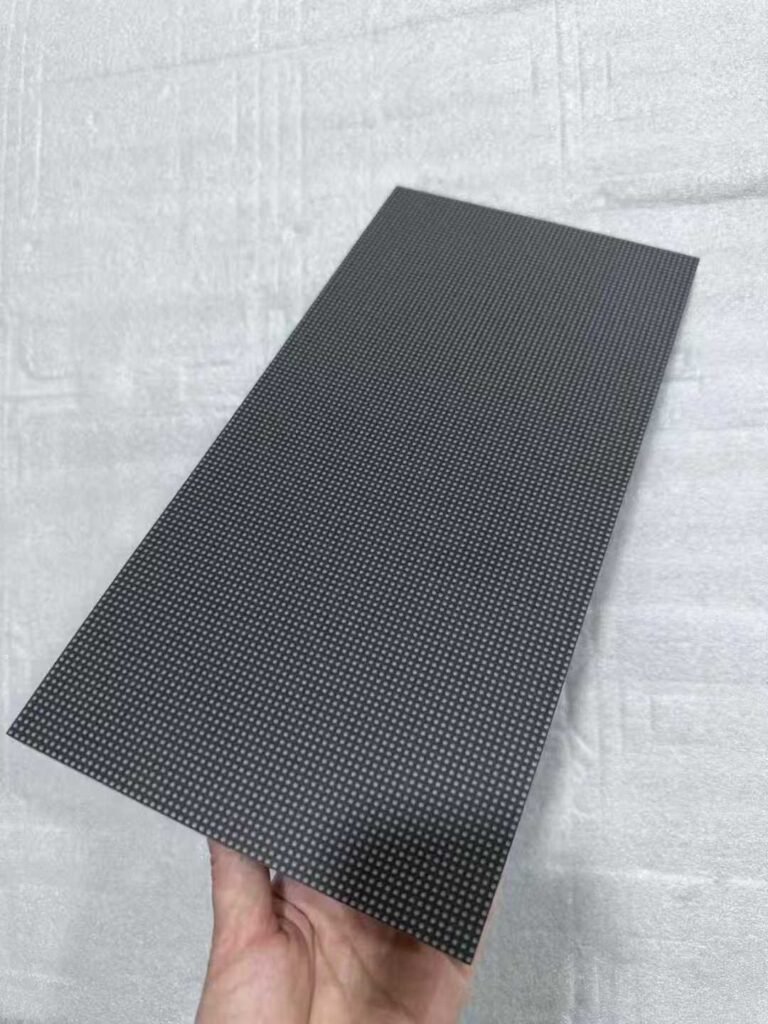
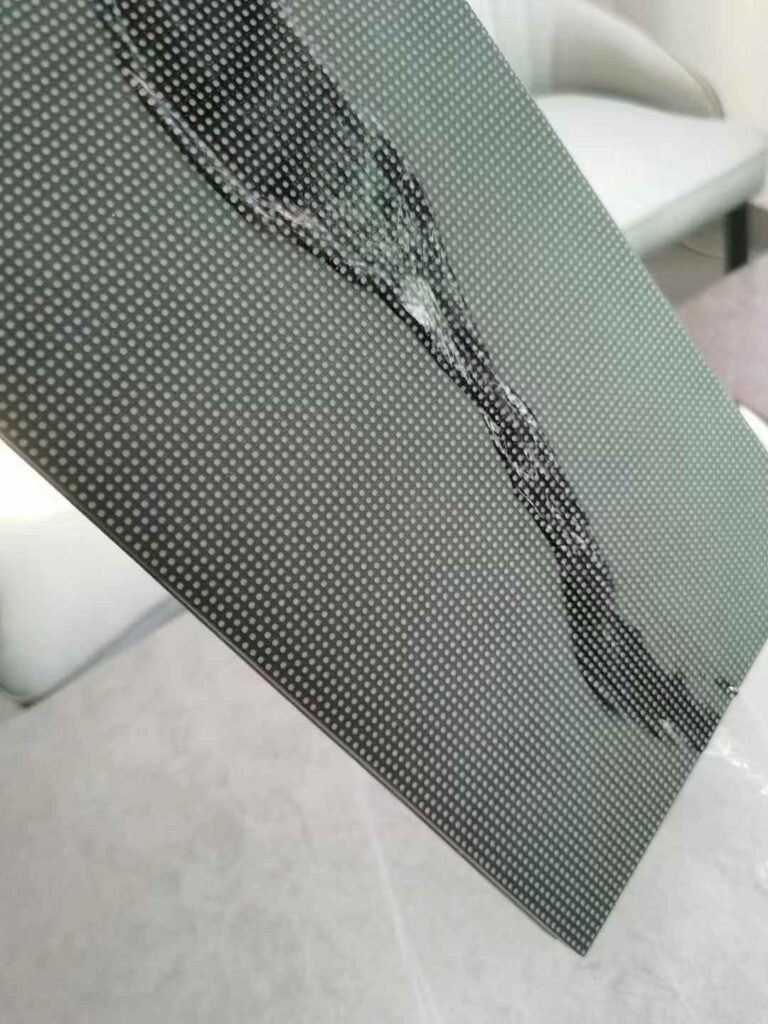
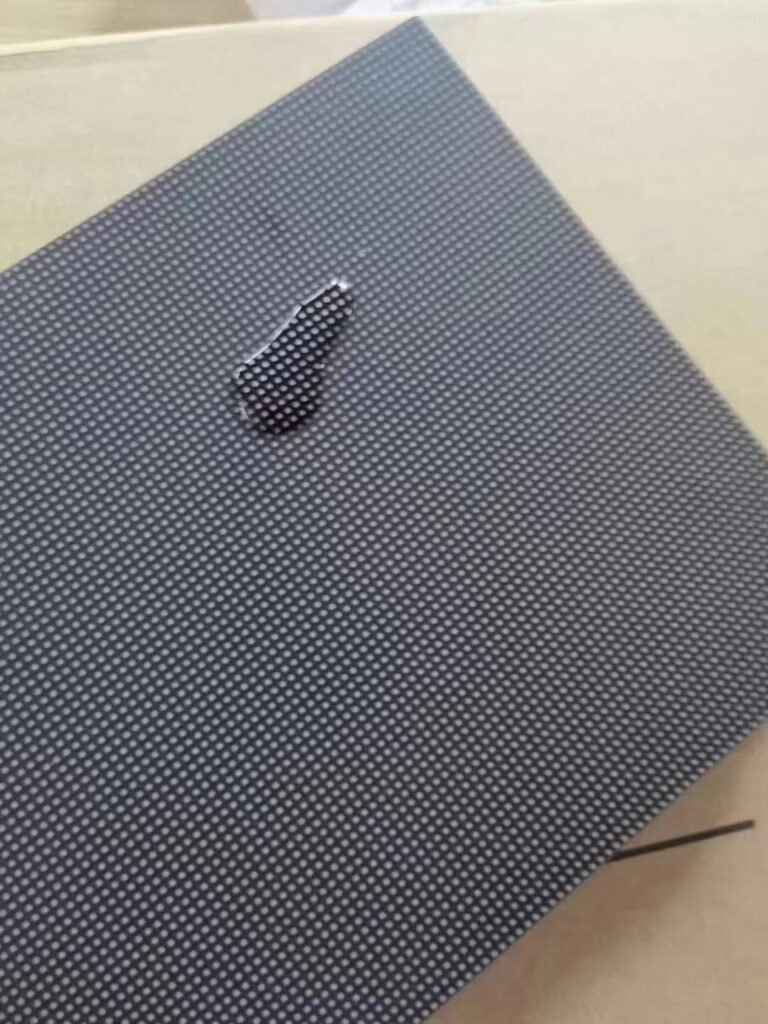
GOB keeps traditional SMD lamp beads soldered on PCB board, then pours transparent epoxy glue over the whole module surface. The glue layer covers lamp beads and gaps to achieve surface‑level protection against dust, moisture and impact. It is an upgraded protective treatment for existing SMD modules.
COB (Chip On Board)
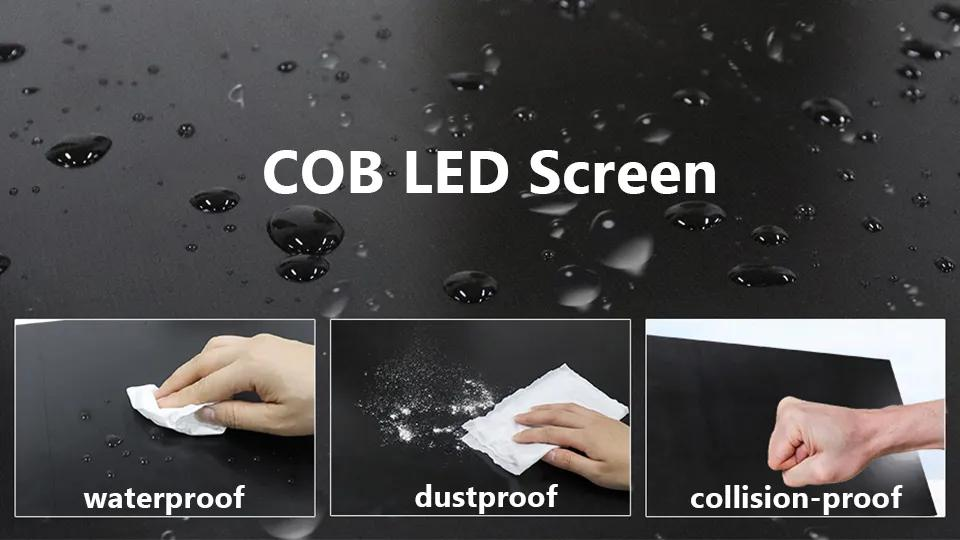
COB directly bonds bare LED chips onto PCB substrate, then performs integral encapsulation. There are no independent SMD lamp bead components. The whole luminous surface is integrated. It is a brand‑new chip‑level packaging technology, especially for ultra‑fine‑pitch indoor displays.
Core Technical Difference Between GOB and COB LED Screen
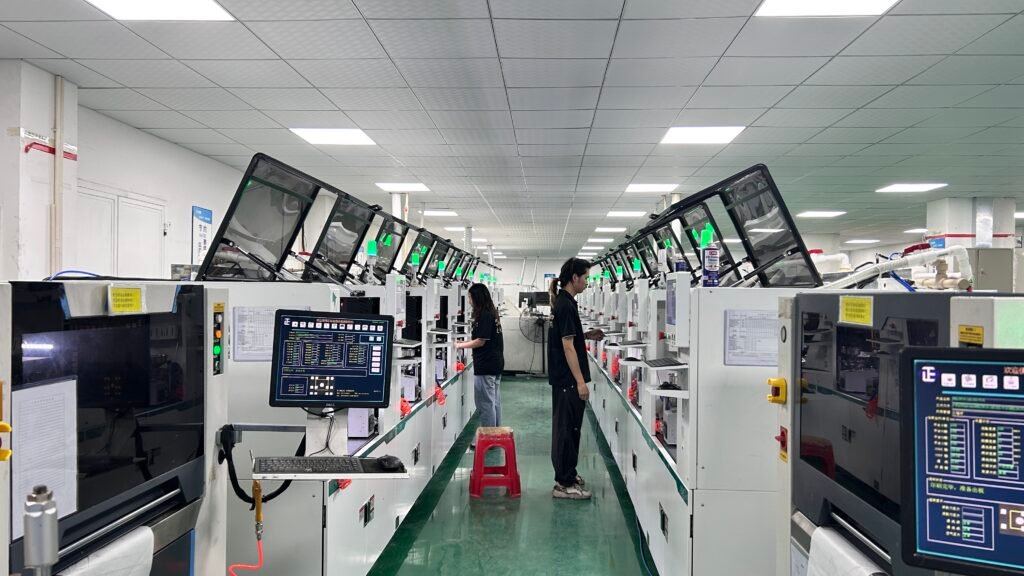
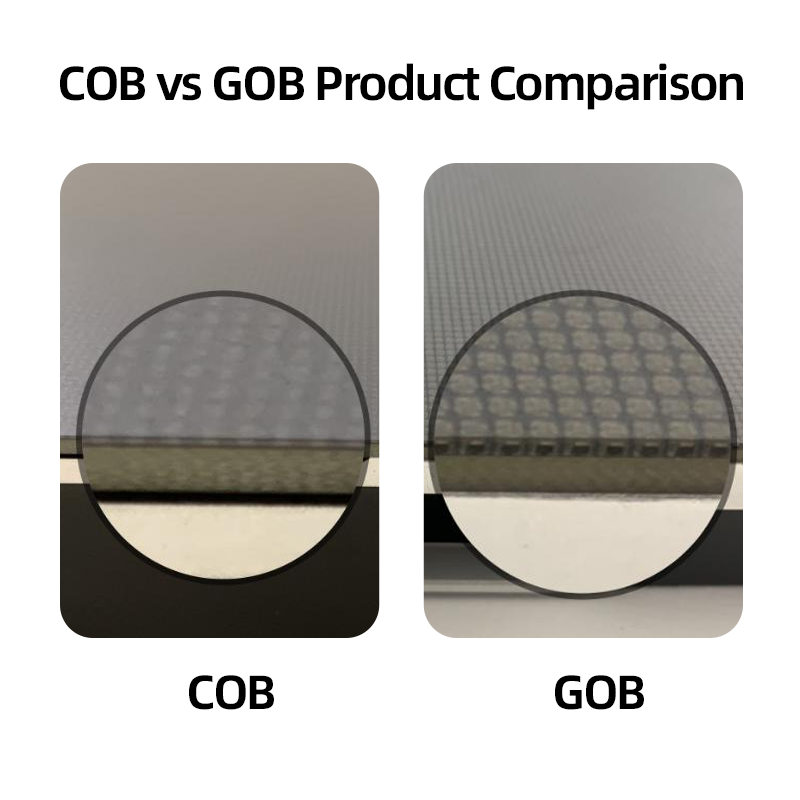
- Production logic GOB: Based on mature SMD production line, add glue pouring process. COB: Chip direct bonding, completely different packaging workflow, higher technical threshold.
- Protection principle GOB: External glue layer forms physical barrier for pre‑soldered SMD components. COB: Chips are fully wrapped inside encapsulation material, protection comes from chip‑level structure.
- Pixel pitch capability GOB: Works well for medium pitch, hard to realize stable performance below P1.5. COB: Supports ultra‑fine pitch such as P0.62, P0.78, P0.93 for close‑view high‑definition display.
- Maintenance method GOB: Can realize partial on‑site repair for individual lamp beads after glue removal, lower maintenance cost. COB: Integrated packaging; pixel failure usually requires whole‑module replacement, higher repair cost.
- Heat dissipation performance COB chips contact PCB directly, heat dissipation efficiency is better. GOB glue layer brings extra thermal resistance; sufficient heat dissipation structure design is required for high‑brightness working environment.
Pros & Cons: GOB LED Display
Advantages
‑ Excellent surface impact‑proof, dust‑proof and moisture‑proof performance
‑ Compatible with mature SMD supply chain, balanced overall cost
‑ Convenient local on‑site maintenance, spare‑part cost is relatively low
‑ Great for rental, semi‑outdoor, coastal high‑humidity indoor projects
‑ Good anti‑scratch performance for public‑access scenarios
Limitations
‑ Not suitable for ultra‑fine pitch below P1.5
‑ Glue layer may bring slight brightness loss
‑ Strict requirements for glue raw material and pouring craftsmanship; poor process will cause bubbles or delamination risk
Pros & Cons: COB LED Display
Advantages
‑ Supports ultra‑fine pixel pitch down to P0.62, smooth seamless picture, low grainy feeling
‑ High contrast, high refresh rate, effectively eliminate moiré pattern for camera shooting
‑ 4H high surface hardness, matte anti‑glare surface, comfortable for long‑time close viewing
‑ Outstanding long‑term stability, low dead‑pixel rate under continuous long‑hour operation
‑ IP54 front‑side protection, easy surface cleaning
Limitations
‑ Higher product unit price compared with GOB of same pixel pitch
‑ Module‑level replacement required for pixel damage, higher after‑sales maintenance expense
‑ Higher requirement for factory production equipment and process control
Side‑by‑Side Performance Comparison Table (JERYO Factory Reference)
| Item | GOB LED Screen | COB LED Screen |
|---|---|---|
| Core Technology | Glue protection on SMD modules | Chip‑on‑board integrated encapsulation |
| Recommended Pixel Pitch | P1.86‑P4.0 | P0.62‑P1.87 |
| Surface Hardness | 3H‑4H | 4H |
| Typical Front Protection | IP54‑IP65 | IP54 |
| Repair Feature | Local single‑point repairable | Mainly module replacement |
| Heat Dissipation | Medium | Excellent |
| Picture Performance | Good, slight grain for close view | Superior, seamless anti‑glare display |
| Cost Level | Medium | High‑end |
| Best For | Rental, semi‑outdoor, humid public space | Control room, high‑end meeting room, studio, exhibition hall |
Suitable Application Scenarios for GOB & COB Solutions
✅ Choose JERYO GOB LED Screen if your project belongs to:
‑ Stage rental LED wall, frequent assembly & disassembly
‑ Semi‑outdoor covered advertising environment
‑ Coastal projects with high humidity and salt spray risk
‑ Public area display where collision risk exists
‑ Medium‑pitch projects pursuing good protection with controlled budget
✅ Choose JERYO COB LED Screen if your project belongs to:
‑ Command & monitoring center, long‑time continuous operation
‑ High‑end enterprise conference room, very short viewing distance
‑ TV broadcast studio, anti‑moiré camera shooting requirement
‑ Museum, exhibition hall, luxury retail flagship store
‑ Ultra‑fine‑pitch high‑definition indoor visual wall
Common Misunderstandings Global Buyers Should Avoid
- Myth: COB is always better than GOB COB brings better fine‑pitch visual effect, but you will pay extra cost for features you do not need for medium‑pitch rental or semi‑outdoor projects. GOB delivers higher cost‑effectiveness in these scenarios.
- Myth: GOB equals full outdoor waterproof GOB improves module surface protection, cabinet sealing design is still critical for real outdoor installation. Do not rely only on glue layer to resist heavy rain.
- Myth: COB means zero maintenance COB has low failure rate, but it is not maintenance‑free. Improper installation or abnormal power supply still may cause module damage.
- Myth: All GOB / COB products reach same performance Product quality highly depends on raw material selection and factory QC. Poor‑quality glue or defective chip encapsulation will lead to early‑stage failure. Always ask for test reports from manufacturers.
How JERYO Supports Both GOB and COB LED Display Projects
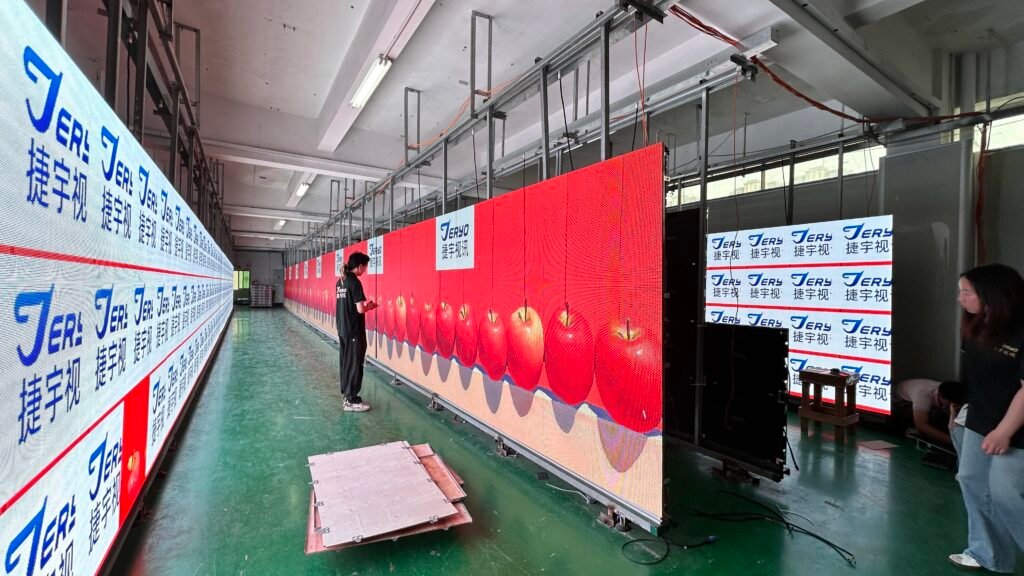
As a professional LED display source factory, JERYO develops and mass‑produces both GOB and COB product lines, so we can give objective technology suggestions instead of pushing only one solution.
‑ Complete JERYO COB series: P0.62 / P0.78 / P0.93 / P1.25 / P1.56 / P1.87, front‑maintenance design, IP54 front protection, 4H hardness, for high‑end indoor fine‑pitch projects.
‑ Mature JERYO GOB series: multiple pixel pitch options for rental, semi‑outdoor and high‑humidity environment, with reliable glue‑pouring craftsmanship, convenient field maintenance.
‑ Strict incoming‑material inspection, aging test and protection performance test for both series before shipment.
‑ Our engineering team evaluates your installation environment, viewing distance, budget and maintenance condition, to recommend the most suitable technical path for each project.
Final Buying Advice: Pick The Right Technology, Not Just “The Better One”
There is no absolute winner between GOB and COB LED screen. The best solution matches your real‑world project conditions: viewing distance, installation environment, budget, on‑site maintenance condition and long‑term operation requirements.
If you prioritize ultra‑high‑definition close‑view performance for high‑end indoor fixed installation, COB will be your preferred option.
If you focus on strong protection, convenient field repair and cost balance for rental or semi‑outdoor environment, GOB is more reasonable.
If you are confused about which technology fits your project, send us your project parameters including installation location, viewing distance, screen size and budget. JERYO technical team will provide free technical evaluation and customized quotation.
👉 Request Custom Solution & Quotation